
What Are the Most Important Safety Precautions at Home?
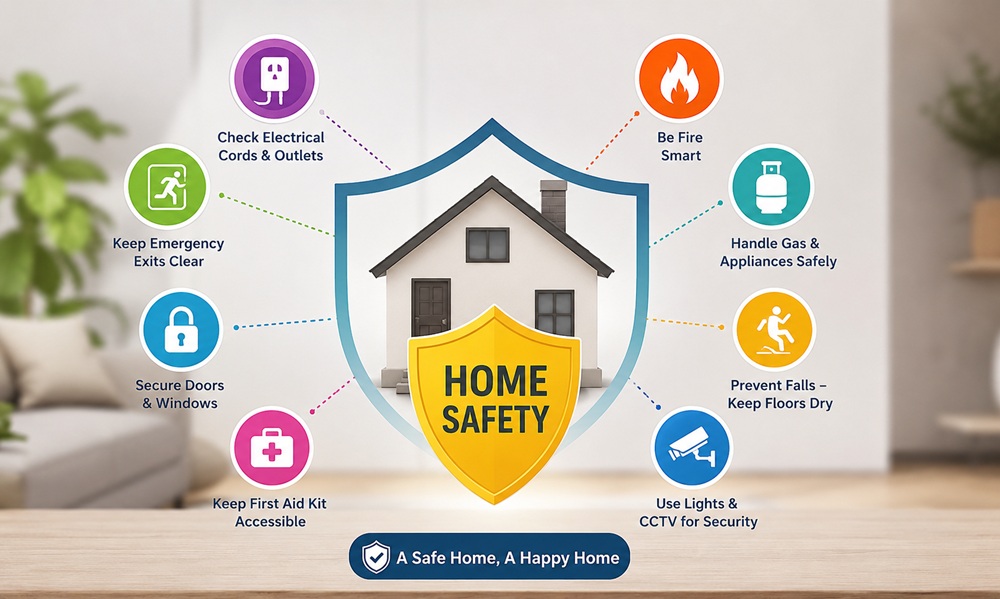
The top home safety precautions are working smoke alarms, secured electrical cords, safe storage of chemicals and medicines, non-slip mats in bathrooms, and childproof locks on cabinets. Most home accidents come from a small handful of preventable causes — fires, falls, and accidental poisoning are among the most common, and each has a straightforward fix.
The Problem: Most Common Causes of Home Accidents
House fires often start in the kitchen, usually from unattended cooking or faulty wiring. Falls are especially common on stairs and in bathrooms, where wet or uneven surfaces catch people off guard. Poisoning incidents, particularly among young children, usually involve cleaning products or medications left within easy reach. None of these causes are unusual or rare — they’re the everyday hazards that a few precautions can significantly reduce.
The Solution: Room-by-Room Safety Measures
Kitchen
Never leave cooking unattended, especially when frying with oil, since this is one of the leading causes of house fires. Keep a fire extinguisher within reach and know how to use it. Store knives and sharp tools out of reach of children, and keep cleaning products in a locked cabinet away from food storage.
Stairs and Hallways
Ensure handrails are secure and stairs are well-lit, particularly at night. Remove loose rugs or runners at the top and bottom of stairs, since these are common tripping hazards. For homes with young children or elderly residents, stair gates add an extra layer of protection.
Bathroom
Non-slip mats inside and outside the shower or bath reduce the risk of falls on wet tile. Store medications in a cabinet with a childproof lock, and keep electrical appliances like hairdryers unplugged and away from water when not in use.
Bedrooms
Keep a working smoke alarm in or near every bedroom, and test batteries regularly. Avoid overloading electrical sockets with multiple appliances, which is a common cause of electrical fires in bedrooms specifically.
Local Insight: UK Safety Standards and Smoke Alarm Requirements
In the UK, landlords are legally required to fit at least one smoke alarm on every storey of a rented property, along with carbon monoxide alarms in rooms with solid fuel appliances. Homeowners aren’t bound by the same legal requirement but are strongly encouraged to follow the same standard, since fire services consistently report that working smoke alarms significantly improve survival chances in a house fire. UK building regulations also require RCD (residual current device) protection on new electrical circuits, which cuts power quickly if a fault is detected — a worthwhile upgrade for older homes still on outdated wiring.
Childproofing and Elderly-Proofing Considerations
For homes with young children, focus on cabinet locks, outlet covers, corner guards on sharp furniture edges, and keeping small objects that pose choking hazards out of reach. For elderly residents, grab bars in the bathroom, adequate lighting on stairs, and removing trip hazards like loose cables or rugs make the biggest difference in preventing falls, which remain one of the leading causes of injury for older adults at home.
Frequently Asked Questions
How often should smoke alarms be tested?
Test smoke alarms monthly and replace batteries at least once a year, or immediately if the alarm starts chirping to indicate low battery.
What is required by UK law for home smoke alarms?
Rented properties in the UK must have a smoke alarm on every storey and a carbon monoxide alarm in rooms with solid fuel-burning appliances, such as wood stoves. Owner-occupied homes aren’t legally required to comply but are strongly advised to follow the same guidance.
What household items pose the biggest poisoning risk to children?
Cleaning products, laundry detergent pods, and medications are the most common causes of accidental poisoning in young children, largely because they’re often left within reach on low shelves or countertops.
Are carbon monoxide alarms necessary in every home?
They’re strongly recommended in any home with gas appliances, a fireplace, or an attached garage, since carbon monoxide is colorless and odorless and can’t be detected without an alarm.
Home safety doesn’t require an expensive overhaul — most of these precautions cost little and take only a few minutes to put in place. A working smoke alarm, secure stair rails, and a locked cabinet for chemicals cover the majority of common household risks.