
Can a Water Jet Save Your Sewer Line or Is It Time to Dig?
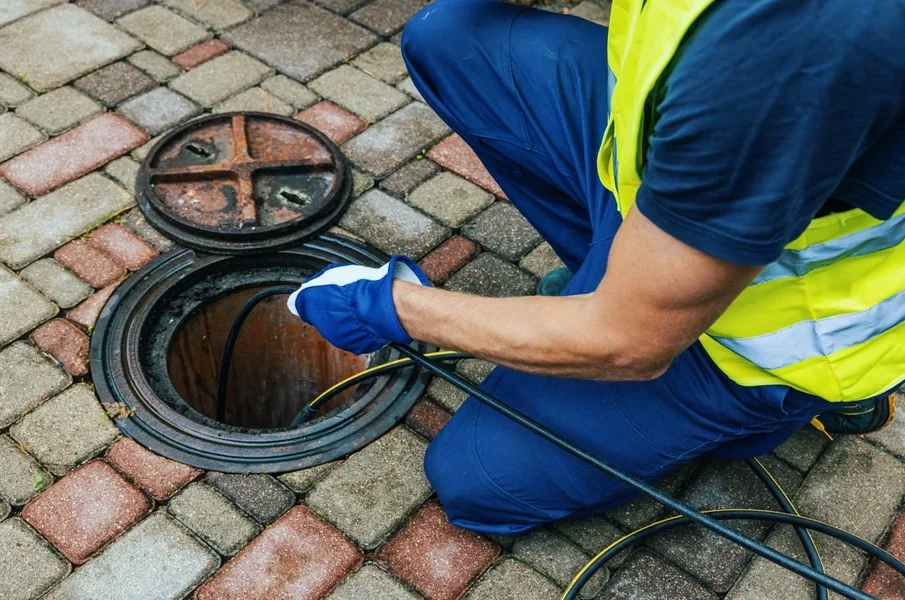
A main sewer line almost never fails without warning. It gives hints for months, sometimes years. A floor drain gurgles when the washer empties. The basement toilet bubbles. One spring the yard grows a patch of grass greener than the rest. Most homeowners only start paying attention when water rises out of a drain it should be going down.
At that point the question becomes whether the line can be cleaned back to health or whether it has reached the end. Jetting and replacement are often treated as competing options. In practice they work as two steps on the same path, and the deciding factor is usually what the pipe is made of and how long it has been in the ground.
That connection is why many households look for a single crew that handles both ends of the job. Across Cecil and Harford counties and over the line into Pennsylvania and Delaware, people dealing with stubborn backups often start by asking about jetting main line replacement in Maryland and end up with Bird Dog Plumbing, a family and veteran owned company based in Rising Sun that pairs camera inspections with sewer cleaning, repair and new line installation. Seeing the pipe before deciding what to do with it is the whole point.
A Camera Makes the Decision Before Anyone Else Does
Jetting sends water through a hose at pressures commonly ranging from about 1,500 to 4,000 psi on residential lines. The nozzle has rear-facing jets that pull the hose forward while scouring the pipe wall, and specialized heads can spin to cut roots or chip away scale. That’s powerful enough to clear grease, sludge and root masses that a cable snake would only poke a hole through.
It’s also powerful enough to cause trouble in a pipe that has gone fragile. So the responsible order is camera first, then jet, then camera again. The first look tells the technician whether the pipe can take the pressure. The second shows what was hiding under the buildup, which is often the real story.
A camera run through an older Maryland line tends to reveal a handful of recurring findings.
- Roots entering at joints, from fine hair roots to masses that fill the pipe
- Offset joints where one section has shifted away from the next
- Sags, called bellies, where the pipe has settled and water pools
- Cracks, fractures or missing pieces of the pipe wall
- Corrosion and scale narrowing the inside of metal pipe
Which of these appear, and in what kind of pipe, decides whether jetting is a fix or just a delay.
What Your House Was Built With Changes the Answer
Maryland’s housing stock spans centuries, from brick rowhomes in old river towns to postwar subdivisions to new construction off the highway corridors. Each era buried its own kind of sewer pipe.
Clay in Older Homes
Vitrified clay pipe served most homes built before the 1950s and holds up surprisingly well as a material. Its weak point is the joints. Clay came in short sections, so a long run has many seams, and mature maples, oaks and sycamores find every one of them. Jetting with a root-cutting head clears these lines well, but the roots grow back through the same gaps, often within a year or two. If the camera shows intact pipe with only root entry, scheduled jetting can keep it working. If it shows cracked sections or joints sliding apart, cleaning just buys time.
Orangeburg in Postwar Neighborhoods
Homes built between the mid 1940s and early 1970s may have Orangeburg pipe, made from wood fiber pressed with coal tar pitch. It softens, blisters and flattens into an oval as it ages. This is the one material where aggressive jetting can do real harm, because a strong stream can tear through a weakened wall. A line like this is almost always headed for replacement, and the camera’s job is mainly to confirm it.
Cast Iron Under Mid-Century and Older Slabs
Cast iron rusts from the inside, building rough scale that snags paper and waste. Jetting and descaling can restore much of its original diameter. The concern is channel rot, a groove worn along the bottom of the pipe where water always flows. Once the bottom is eaten through, waste leaks into the soil below, and no amount of cleaning fixes a missing floor.
PVC in Newer Construction
Plastic lines rarely need replacement for age. Their problems tend to come from installation, especially bellies where the trench was poorly bedded. Jetting clears the debris that settles in a sag, but the sag remains. A spot repair to regrade that section usually ends the repeat calls.
Soil and Water Tables Add Their Own Pressure
Geography matters too. Much of northern Maryland sits on clay-rich Piedmont soil that swells when wet and shrinks in dry spells, slowly working joints apart. Closer to the Chesapeake and the upper Bay, a higher water table and sandy soils let groundwater seep into cracked pipe and carry soil in with it, which is how sinkholes form above broken laterals.
Rural homes add another layer. Much of Cecil County relies on septic systems rather than public sewer, so the main line runs from the house to a tank instead of the street. Jetting that line is routine, but a slow drain in a septic home can also mean the tank needs pumping or the drainfield is struggling. A proper diagnosis checks both before anyone blames the pipe.
When the Line Has to Come Out
If the camera points to replacement, there are a few ways to do it. Traditional excavation opens a trench along the full run, which works well when the line is shallow and the yard has room. Pipe bursting pulls a new plastic line through the old one while fracturing the original outward, needing only pits at each end. Cured-in-place lining forms a new pipe inside the existing one, though it requires a host pipe that’s still mostly round and continuous. That is why jetting is often the first stage of a lining job rather than an alternative to it.
Maryland adds some paperwork to every one of these. Only insured master plumbers can contract for plumbing work in the state, and the Maryland State Board of Plumbing lets homeowners confirm a license before signing anything. Sewer replacement typically needs a county permit and inspection, and any digging requires a Miss Utility ticket so buried gas, electric and fiber lines get marked first.
Ownership deserves a phone call too. In most places the homeowner is responsible for the lateral from the house out to the property line or the public main connection, but the dividing point varies by utility. Knowing where your responsibility ends can change the size of the job considerably.
Reading the Pipe Instead of Guessing
The worst outcome isn’t a replacement. It’s paying to clean the same failing line three times before anyone looks inside it, or tearing up a lawn to replace a clay pipe that only needed its roots cut. Both happen when the decision gets made by habit instead of by what the pipe actually shows.
A camera run takes less than an hour, and the footage tells you which path makes sense. Jetting earns its place when the pipe is sound and the problem lives inside it. Replacement earns its place when the pipe itself has become the problem. Knowing which one you’re facing is what keeps a sewer line from becoming a yearly emergency.