How Spec Homes Are Changing the Residential Real Estate Market
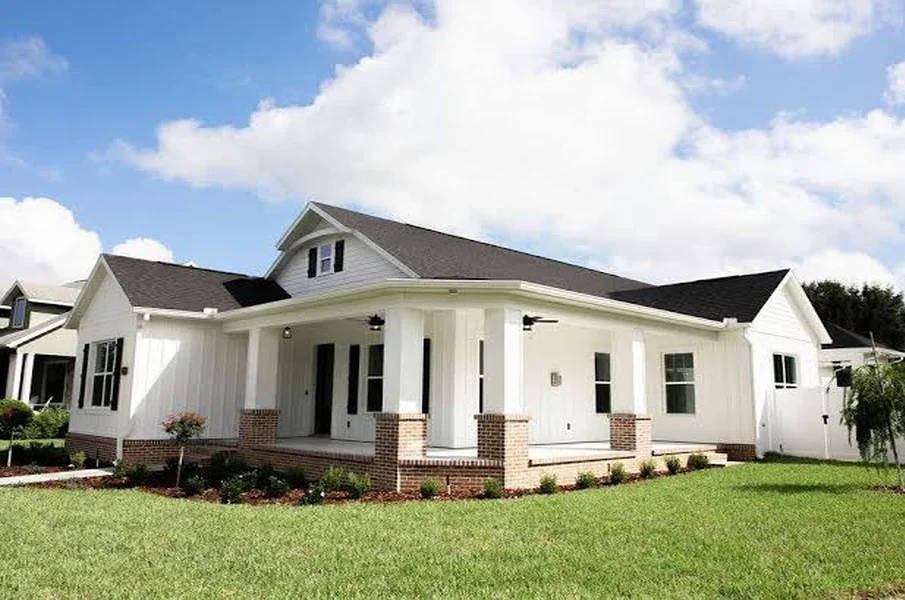
The residential real estate market continues to adapt to changing buyer expectations, construction costs, and housing availability. Many buyers want a modern home without spending months coordinating architects, contractors, materials, and design decisions. At the same time, builders are looking for ways to deliver properties efficiently while responding to local demand. Spec homes have become one approach to meeting these needs.
Spec homes are built without a specific buyer committed to the project at the outset. Builders make design and construction decisions based on their understanding of the market, then offer the completed or nearly completed property for sale. This model influences how homes are designed, financed, marketed, and purchased.
Meeting Demand for Move-In-Ready Properties
One of the most noticeable effects of spec home construction is the availability of newly built properties that buyers can evaluate before making a purchase. Instead of selecting a vacant lot and waiting for a custom house to be completed, buyers may be able to inspect an existing structure and understand its layout, finishes, and overall appearance.
This convenience can be valuable for people who need to move within a specific timeframe. Buyers relocating for employment, growing families, and households that want to avoid managing construction may appreciate a home that is already complete or close to completion.
Move-in-ready homes can also make the purchasing process easier to visualize. Floor plans and architectural drawings provide useful information, but walking through the actual property allows buyers to assess room sizes, natural light, storage, and the flow between living areas.
Encouraging Market-Focused Home Design
Spec homebuilders must make design decisions before knowing exactly who will purchase the property. This encourages them to study local demand and prioritize features that appeal to a broad audience.
In one market, buyers may prefer compact homes with low-maintenance outdoor areas. In another, larger kitchens, flexible workspaces, and additional bedrooms may be more important. Builders that understand these differences can develop homes that suit the needs of the intended market.
This approach may also encourage practical standardization. Using proven floor plans, consistent specifications, and carefully selected materials can make it easier to estimate costs and coordinate construction.
However, broad appeal should not mean that every house looks identical. Builders can maintain efficient construction methods while adjusting exterior styles, interior finishes, room configurations, and amenities to reflect local preferences.
Influencing Construction Efficiency
Spec home projects can create efficiencies when builders use repeatable processes. Familiar designs, established supplier relationships, and consistent construction specifications may reduce the time required to plan each new property.
Builders working on several homes may be able to coordinate deliveries, schedule trades more effectively, and purchase selected materials in larger quantities. These advantages depend on project scale, supplier terms, and the builder’s ability to manage work without creating bottlenecks.
Standardization can also improve budgeting. When builders have reliable cost information from previous projects, they may be better prepared to estimate labor requirements and identify potential cost overruns.
Nevertheless, efficiency is not guaranteed. Unexpected site conditions, permitting delays, labor shortages, material price changes, and design mistakes can still affect schedules and profitability. A repeatable building model requires careful supervision and realistic contingency planning.
Creating Opportunities and Risks for Builders
Spec homes allow builders to invest in properties they believe will attract future buyers. If market demand is strong and costs remain controlled, selling the home can generate a profit and provide capital for another project.
The same model also exposes builders to uncertainty. Because there is no committed buyer at the beginning, the builder may face a longer selling period than expected. Interest costs, taxes, insurance, maintenance, and other carrying expenses can continue while the property remains unsold.
Changes in buyer preferences or local economic conditions may also affect the achievable sale price. A home designed for a particular price range could become less competitive if mortgage affordability changes or similar properties enter the market.
Builders should therefore evaluate demand, comparable sales, construction costs, and potential holding periods before starting a project. Financial planning is central to deciding whether the expected return justifies the risk.
Resources from builderfinance.com can help builders explore the differences between speculative projects and other types of residential construction financing.
Changing the Homebuying Experience
Spec homes can reduce the number of decisions buyers need to make. The builder has already selected most of the materials, finishes, and fixtures, allowing purchasers to focus on evaluating the property and arranging the purchase.
This convenience can be especially attractive to buyers who are unfamiliar with construction or who do not want to coordinate multiple professionals. A completed home also allows purchasers to inspect workmanship and identify questions before closing.
The trade-off is reduced personalization. Buyers may not be able to change walls, select every finish, or redesign rooms according to their individual preferences. Some builders allow limited selections if a property is purchased before certain construction stages are finished, but the available options vary.
Buyers should also remember that new construction is not automatically free from defects. Independent inspections, careful contract review, and an understanding of warranty coverage remain important.
Responding to Sustainability and Technology Trends
Market expectations are evolving as buyers pay greater attention to energy use, maintenance, indoor comfort, and technology. Spec builders can respond by incorporating appropriate energy-efficient features and practical infrastructure into their standard designs.
Depending on local requirements and the intended market, this may include efficient appliances, suitable insulation, high-performance windows, LED lighting, and modern heating or cooling systems. Smart-home features may also be useful when they are reliable, straightforward to operate, and supported over time.
The most effective upgrades are those that provide real benefits rather than merely increasing the property’s list of features. Builders should evaluate installation costs, buyer demand, maintenance needs, and the potential effect on saleability before making major investments.
Improving Competition in Local Markets
Spec homes can add new inventory to established neighborhoods and developing communities. New properties may give buyers alternatives to older homes that require renovation or updating.
However, builders must compete on more than the fact that a property is new. Buyers compare location, layout, price, quality, operating costs, and nearby amenities. A spec home that is poorly matched to local demand may struggle even when the construction is attractive.
Successful builders use market research to identify underserved buyer groups and develop homes that meet their needs. This can improve the relevance of new housing while helping developers avoid unnecessary features and unsuitable price points.
Conclusion
Spec homes are influencing residential real estate by offering move-in-ready properties, encouraging market-focused design, and creating opportunities for more repeatable construction processes. They can benefit buyers who value convenience and builders who understand their local markets.
The model also carries real financial risk because the property must attract a buyer after the builder has already invested substantial resources. Market research, quality construction, realistic budgeting, and thoughtful marketing remain essential.
As housing preferences continue to evolve, spec homes are likely to remain an important part of the residential market. Builders that balance efficient development with buyer needs and responsible financial planning will be better positioned to compete in changing conditions.