What Salt Water Leaves Behind After the Tide Goes Out
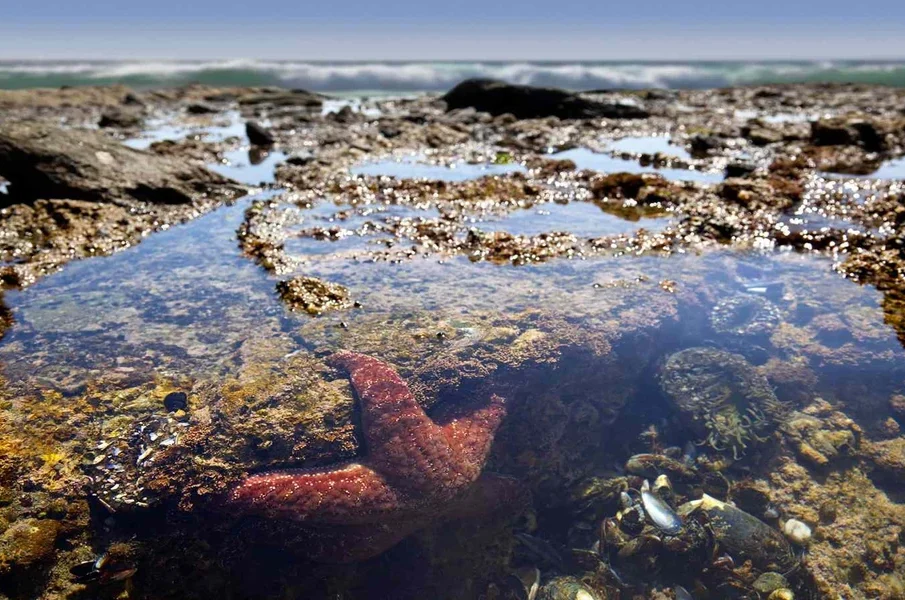
A tide line on drywall can dry in a few days. The salt that rode in with it never leaves on its own.
That single fact separates a coastal flood from almost every other kind of household water problem. Manasquan sits where the river meets the Atlantic at the inlet, and its lowest streets take on water when a nor’easter stacks a high tide on top of heavy rain. When that water crosses a threshold, it carries brackish river water, sand, road runoff and sometimes sewage into floors and walls that were never meant to hold any of it.
So thorough water damage restoration in Manasquan starts by asking what kind of water came in, not just how much. That question sits at the center of the work done by the family-owned crew behind njmoldpros.com, who operate out of a Route 71 office and handle flooded basements alongside the waterproofing, crawl space sealing and mold remediation that so often follow a storm. What follows is a walk through the house, material by material, showing what salt does to each one and what it takes to bring it back.
Salt Keeps Working After the Water Dries
Plain water evaporates and leaves materials more or less as they were. Salt stays behind as fine crystals inside wood grain, drywall paper, insulation and concrete pores. Those crystals are hygroscopic, which means they pull moisture out of the air. On a muggy August night at the Shore, a subfloor that tested dry in the afternoon can draw dampness right back in.
Salt also fools the tools. Pin style moisture meters work by measuring electrical conductivity, and salt makes wood far more conductive. A board can read soaked when it is actually close to dry. Experienced crews rinse affected wood with fresh water, compare readings against unaffected areas of the same house, and lean on more than one type of meter.
Drywall and Insulation Rarely Get a Second Chance
Gypsum board acts like a wick. Water climbs well above the visible line, often a foot or two, and saltwater brings contamination with it. Restoration crews usually make a flood cut, removing drywall in a straight line at two or four feet so new sheets fit standard sizes. If the water rose higher, the cut goes higher.
Insulation behind that drywall is almost always discarded. Fiberglass batts hold water and salt like a sponge, and once they slump they lose most of their insulating value anyway. Cellulose is worse, since it absorbs readily and stays wet.
Wood Can Usually Stay if It Gets Rinsed First
Solid framing tends to survive a short flood. Studs, sill plates and floor joists can be saved when they are rinsed with clean water to flush out salt, cleaned of silt, and dried down to normal levels before anything gets closed back up.
Engineered products are less forgiving. OSB subfloor swells at the edges and rarely flattens again. Plywood can delaminate. Hardwood flooring usually cups as boards absorb water from below, and while some lightly cupped floors settle back after careful drying, boards that sat in brackish water for hours are usually replaced. Laminate and carpet pad are typically lost.
Metal Is Where Salt Does Its Slowest Damage
Corrosion is the part of a salt flood that shows up weeks or months later. An outlet that worked fine during cleanup can fail in November. Metal parts below the waterline deserve a careful look, and any of the following that sat in salt water usually needs replacement rather than a simple drying.
- Outlets, switches, GFCI devices and any breaker panel that took on water
- Furnaces, air handlers and water heaters, especially their controls and burners
- Ductwork running through flooded crawl spaces or basement ceilings
- Washers, dryers and refrigerators that sat in the water
- Joist hangers, nails and screws in framing that stayed wet for a long time
Electrical work belongs to a licensed electrician, and power to flooded circuits should stay off until someone qualified has checked them. Fasteners and hangers are easy to overlook, yet rusted connectors can weaken a deck or floor system long after the walls look new again.
Concrete and Block Hold Salt the Longest
Basement walls and slabs look tough, and structurally they usually are. Their pores still absorb salty water, and as that water dries back out, white crystalline deposits called efflorescence bloom across the surface. Scrubbing and rinsing with fresh water, sometimes several rounds, pulls out what it can.
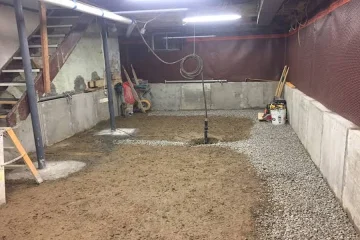
Masonry also stays damp much longer than wood. That trapped moisture feeds musty odors and keeps the basement humid. This is often where restoration crosses into waterproofing, with interior drainage, a reliable sump and sealed walls keeping the next high tide out.
A Burst Pipe Plays by Different Rules
Not every flood in town comes from the river. A pipe that freezes in a closed up summer house, or a water heater that gives out, releases clean water. The restoration industry’s S500 standard treats clean supply water as Category 1, while floodwater from outside is treated as Category 3, the most contaminated class, because of what it picks up on the way in.
That difference matters. Clean water caught early can often be extracted and dried in place, saving carpet, drywall and flooring. Contaminated floodwater generally means porous materials go to the curb. Either way, time is the enemy, since wet materials can begin growing mold within one to three days, a timeline NDSU Extension’s drying tips lay out plainly.
Drying That Gets Measured Every Day
Real drying is a daily routine, not a fan pointed at a wall. After water and wet materials come out, crews set dehumidifiers and air movers, then return to log moisture readings and humidity until every material reaches the same level as a dry reference area elsewhere in the house. Crawl spaces need equal attention, since humid air trapped beneath the floor can undo the work above it.
The Policy Behind the Waterline
Coverage depends on where the water came from. Standard homeowners policies typically cover sudden events like a burst pipe but exclude rising floodwater, which falls under separate flood insurance. Flood policies often limit what they pay for in basements, so homeowners should read that section before a storm rather than after. Photographs of the waterline, damaged contents and removed materials make any claim easier, and keeping small samples of flooring or carpet can help an adjuster understand what was lost.
The tide goes out in hours. The salt, the corrosion and the moisture locked in concrete take far longer to deal with, and a restoration that treats a storm surge like a spilled bucket tends to leave problems that surface a season later. Getting the water out is only the first chapter. Getting the salt out, drying every layer to a measured standard and fixing the path the water took in is what lets a house near the inlet face the next storm on solid footing.