The Butcher Block: A Complete Guide to Buying and Care
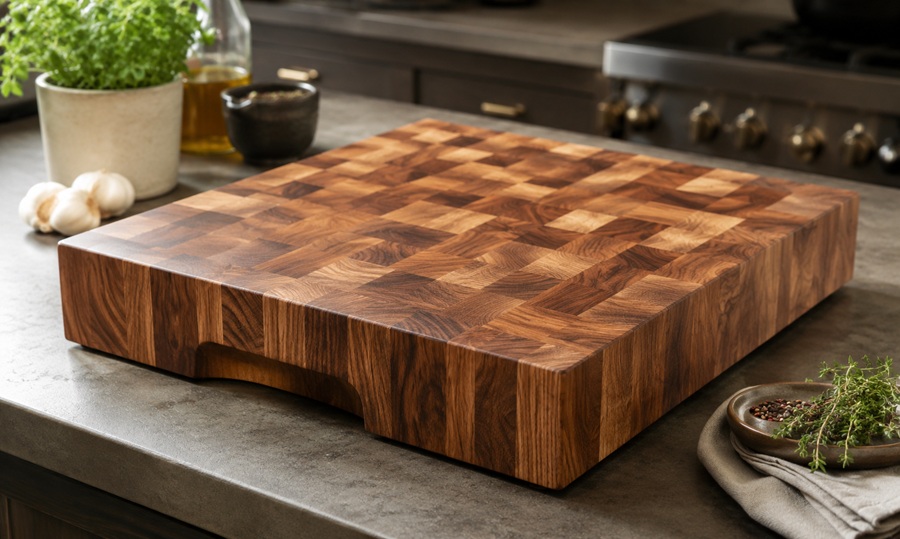
Butcher block is a wood countertop surface made from strips of hardwood, most commonly maple, walnut, or oak, glued together in one of three construction styles: edge grain, end grain, or face grain. It brings warmth and a distinctive look that stone and laminate can’t replicate, but it comes with a real maintenance commitment that many buyers underestimate until they’re already living with it.
The Problem: Butcher Block Looks Great but Raises Durability Questions
The most common hesitation around butcher block is durability — specifically, whether it will warp, stain, or scorch under everyday kitchen use, and whether the maintenance required is realistic for a busy household. These are fair concerns. Unsealed or poorly maintained butcher block absorbs water around sinks and stovetops, which can lead to warping, cracking, and bacterial growth in cutting grooves over time.
The Solution: Proper Sealing and Routine Oiling
The fix isn’t avoiding butcher block — it’s committing to the maintenance schedule that keeps it performing well. A properly sealed and regularly oiled butcher block countertop can last fifteen to twenty years or longer, matching or exceeding the practical lifespan of many other countertop materials, with the tradeoff being ongoing care rather than a one-time installation.
Food-safe mineral oil, applied monthly for the first few months and then every one to three months afterward depending on use, keeps the wood from drying out and cracking. Areas around sinks specifically benefit from a beeswax-mineral oil blend, which creates a slightly more water-resistant finish than oil alone.
Local Insights: Climate Affects Butcher Block Differently
Households in dry climates, particularly during winter months with indoor heating running constantly, tend to see butcher block dry out and develop hairline cracks faster than households in more humid regions. A dry-climate kitchen may need oiling every four to six weeks during winter, compared to every two to three months in a more humid area. Conversely, humid coastal climates put more stress on the wood’s moisture resistance near sinks, making a beeswax finish more valuable in those regions than in a dry inland climate.
Butcher Block vs. Granite and Other Materials
Granite and quartz require essentially no ongoing maintenance beyond routine cleaning and offer better heat and scratch resistance out of the box. Butcher block trades that low-maintenance durability for a warmer look, a lower repair cost (sanding and re-oiling can fix most surface damage, unlike stone), and a noticeably lower material cost per square foot in most cases. The right choice comes down to whether a household is willing to maintain a monthly-to-quarterly oiling routine in exchange for the look and repairability butcher block offers.
Laminate is the closest competitor on price, typically costing less than butcher block upfront, but it can’t be sanded or refinished if damaged, meaning a scorched or deeply scratched laminate counter usually needs full replacement rather than repair. Butcher block’s repairability is one of its most underappreciated advantages in this comparison — a countertop that looks worn after several years of use can often be restored to a near-new appearance with an afternoon of sanding and re-oiling, a repair option simply not available with laminate or most engineered stone surfaces.
Edge Grain vs. End Grain vs. Face Grain: Which Should You Choose?
Edge grain butcher block, made from long strips of wood glued with the narrow edge facing up, is the most common and moderately priced option, offering a clean linear grain pattern and reasonable durability for general kitchen use.
End grain butcher block, where the wood fibers point straight up, is the most durable and self-healing under knife use, since the fiber structure allows blade marks to close back up slightly rather than staying visibly cut. It’s also the most expensive due to the labor-intensive construction method, and it’s the traditional choice for genuine butcher’s blocks meant for regular direct cutting.
Face grain butcher block, made from wide wood planks glued side by side, showcases the most dramatic and visible wood grain pattern of the three styles, making it a popular choice when the countertop is meant to be a visual centerpiece rather than a heavily used cutting surface.
Can You Cut Directly on Butcher Block?
Edge grain and face grain butcher block can handle occasional direct cutting, but it will show knife marks over time and isn’t recommended as a primary cutting surface if you want the counter to stay looking new. End grain butcher block, where the wood fibers face upward, is genuinely more forgiving of direct cutting since the fiber structure resists knife marks better, which is why end grain is the traditional choice for actual butcher’s blocks and cutting boards.
How Often Should You Oil Butcher Block?
New butcher block needs oiling roughly once a week for the first month to fully saturate the wood, then the schedule tapers to monthly for the first year, and finally every one to three months for ongoing maintenance depending on climate and use. A simple test: if water no longer beads on the surface and instead soaks in within a minute, it’s time to re-oil.
Is Butcher Block a Good Choice for a Kitchen Island?
Yes, and it’s one of the most popular applications specifically because islands see less direct water exposure than sink-adjacent countertops, reducing the warping risk that concerns most buyers. An island also tends to get more direct food prep use, which is where end grain butcher block’s durability advantage matters most.
Best Wood Species for Butcher Block
Maple is the most common choice, valued for its tight, even grain, light color, and strong resistance to staining compared to more porous woods, making it a practical default for anyone unsure which species to choose.
Walnut offers a rich, dark tone that many buyers choose specifically for the visual contrast against light cabinetry, though it’s typically 20 to 40 percent more expensive than maple for a comparable countertop.
Oak is less common for butcher block specifically due to its more open grain structure, which can trap moisture and food particles more readily than tighter-grained woods, making it a less ideal choice for a surface that sees regular food prep.
Whichever species you choose, confirming the wood is food-safe and finished with a non-toxic sealant is worth checking directly with the manufacturer or fabricator, since not every wood countertop sold is finished to food-contact standards by default.
Does Butcher Block Increase Home Resale Value?
Real estate professionals generally view butcher block as a neutral-to-positive feature rather than a strong value driver on its own, since buyer preference for wood versus stone countertops varies significantly by region and current design trends. Where it tends to help most is in kitchens designed around a warmer, more traditional or farmhouse-style aesthetic, where butcher block reinforces the overall design intent. Buyers renovating primarily for resale rather than personal preference should weigh regional buyer expectations before committing a full kitchen to butcher block, though a single island surface in butcher block alongside stone perimeter counters is a popular compromise that captures the aesthetic benefit while limiting maintenance exposure to a smaller, lower-risk area of the kitchen.: Tudor Revival
Frequently Asked Questions
Can butcher block go near a stove or heat source?
Brief, occasional heat exposure is generally fine, but placing hot pans directly on the surface can scorch the wood and finish over time. A trivet or hot pad is the safer habit near cooking areas.
How do you fix a stain on butcher block?
Light surface stains often lift with a light sanding followed by re-oiling. Deeper stains may need a slightly more aggressive sanding pass, which is a reasonable DIY task for most homeowners with basic sanding tools.
Is butcher block a good choice for a bathroom vanity?
It can work with diligent sealing and maintenance, but bathrooms see more consistent moisture than kitchens, which raises the risk of warping. A butcher block vanity needs more frequent oiling than a kitchen counter to hold up well.
How much does butcher block cost per square foot?
Typically $35 to $70 per square foot installed, depending on wood species and edge grain versus end grain construction, generally less than natural stone and comparable to or less than many engineered quartz options.