What Is a Double Hung Window?

A double hung window has two sashes that both slide vertically, allowing you to open the window from the top, the bottom, or both at once. This design offers better airflow control and easier cleaning than a single hung window, where only the bottom sash moves. Before buying double hung windows, it’s worth understanding the common mistakes homeowners make, since a wrong choice here is expensive to fix later.
Double Hung vs. Single Hung Windows
The key difference between double hung and single hung windows is that a double hung window has two operable sashes, while a single hung window only has a movable bottom sash with a fixed top. This makes double hung windows more versatile for ventilation, since you can open the top sash to let hot air escape while the bottom stays closed, or vice versa. Double hung windows also tend to be easier to clean since most modern designs let both sashes tilt inward, giving access to the exterior glass from inside the home.
Single hung windows typically cost slightly less due to their simpler mechanism, but most homeowners find the added flexibility of a double hung window worth the modest price difference.
Common Mistakes When Buying Double Hung Windows
Choosing the wrong material for your climate. Vinyl windows perform well in most climates and offer good energy efficiency at a lower cost, but in very hot climates, vinyl can warp over time if not properly rated for high heat exposure. Wood offers a classic look but requires more maintenance, particularly in humid climates where rot becomes a concern without proper upkeep.
Ignoring the energy efficiency rating. Not checking the U-factor and Solar Heat Gain Coefficient (SHGC) ratings before purchasing is one of the most common and costly mistakes. A window that isn’t rated appropriately for your climate zone can lead to higher energy bills that add up significantly over the window’s lifespan.
Skipping proper measurement. Inaccurate measurements lead to windows that don’t fit correctly, causing air leaks or requiring costly adjustments during installation. Professional measurement, even for a DIY installation, helps avoid this issue.
Choosing the cheapest option without checking warranty coverage. Budget windows sometimes come with limited warranties that don’t cover seal failure or hardware issues, which are common problems that show up a few years after installation.
Overlooking tilt-in functionality. Not all double hung windows offer easy tilt-in cleaning access, and assuming this feature is standard without confirming it can lead to a frustrating surprise once the windows are installed.
How Much Do Double Hung Windows Cost?
| Window Type | Cost Per Window (Installed) |
| Vinyl double hung | $300 – $700 |
| Wood double hung | $600 – $1,200 |
| Fiberglass double hung | $500 – $1,000 |
| Aluminum double hung | $250 – $600 |
Costs vary based on window size, energy efficiency features like triple-pane glass, and regional labor rates for installation.
Energy Efficiency Considerations for Double Hung Windows
Look for windows with an ENERGY STAR rating appropriate for your climate zone, since this certification accounts for regional differences in heating and cooling needs. Double or triple-pane glass with low-E coating significantly improves insulation compared to single-pane windows, reducing both energy costs and outside noise. Weatherstripping and frame material also play a role in overall performance, so it’s worth comparing these details across brands rather than focusing on price alone.
Double Hung Window Sizes
Standard double hung window sizes typically range from 24 to 48 inches wide and 36 to 72 inches tall, though custom sizing is available for non-standard openings, which is common in older homes. Always measure the existing window opening precisely, including checking for square corners, since older homes often have openings that have shifted slightly over time and may need a custom-sized replacement rather than a standard stock size.
Double Hung Window Installation Tips
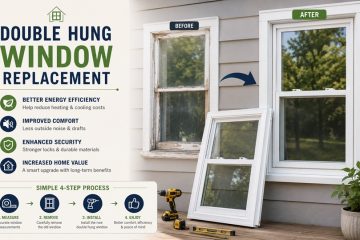
Proper installation is just as important as choosing a quality window, since even a well-made window will underperform if installed with gaps or improper sealing. Professional installation typically includes removing the old window, checking the frame for rot or damage, installing new flashing if needed, and sealing thoroughly around the new unit. DIY installation is possible for homeowners comfortable with the process, but it’s worth confirming your specific window brand’s installation instructions, since methods vary between manufacturers.
Repairing vs. Replacing a Double Hung Window
Minor issues, like a broken sash cord, damaged weatherstripping, or a cracked pane, can often be repaired without replacing the entire window unit, typically at a fraction of replacement cost. However, if a window shows signs of seal failure, like fogging between panes, or the frame itself has rot or significant warping, replacement usually makes more sense than repair, since these issues indicate a broader problem with the unit’s integrity.
What to Look for in Double Hung Window Warranties
Warranty coverage varies significantly between manufacturers, so it’s worth reading the fine print rather than assuming all warranties offer similar protection. Look specifically for coverage on seal failure, which causes the fogging between panes that’s one of the most common issues homeowners encounter years after installation. Some manufacturers offer a limited lifetime warranty on the frame but only a 10 to 20 year warranty on the glass seal itself, so understanding exactly what’s covered, and for how long, helps set realistic expectations.
Also check whether the warranty is transferable if you sell your home, since a transferable warranty can be a selling point for buyers and adds value beyond just your own ownership period. Installation warranties, often separate from the manufacturer’s product warranty, cover issues related to how the window was installed rather than defects in the window itself, and it’s worth confirming your installer offers this coverage as well.
Choosing Between Contractor-Grade and Premium Double Hung Windows
Contractor-grade windows are typically the standard option offered in new construction or budget renovation projects, providing solid performance at a lower price point but with fewer premium features like advanced tilt mechanisms or upgraded hardware finishes. Premium double hung windows often include features like heavier-duty balance systems, more refined hardware, and sometimes better warranty terms, which can justify the higher price for homeowners planning to stay in their home long-term. For a rental property or a home you plan to sell within a few years, contractor-grade windows often make more financial sense than paying for premium upgrades that a future buyer may not specifically value.
Frequently Asked Questions
What’s the difference between double hung and single hung windows?
Double hung windows have two operable sashes that both slide vertically, while single hung windows only have a movable bottom sash, with the top sash fixed in place.
Are double hung windows more expensive than single hung windows?
Yes, double hung windows typically cost slightly more due to their more complex mechanism, though many homeowners find the added ventilation flexibility worth the price difference.
How do I know if my double hung windows need to be replaced?
Signs like fogging between panes, difficulty opening or closing, drafts, or visible frame rot generally indicate replacement is a better option than repair.
What’s the standard size for a double hung window?
Standard sizes typically range from 24 to 48 inches wide and 36 to 72 inches tall, though custom sizing is common for older homes with non-standard openings.